No single food prevents cancer, and it’s worth being upfront about that before anything else. What the research does support is that certain dietary patterns are consistently associated with lower cancer risk across large population studies. This guide covers what major health organizations, including the American Cancer Society, actually recommend, based on the current evidence.
Foods and Eating Patterns Linked to Lower Cancer Risk
Vegetables and fruits
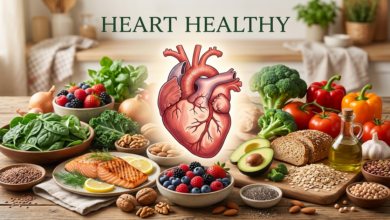
A diet rich in a variety of vegetables and fruits is consistently associated with lower risk of several cancers, partly through their vitamins, minerals, fiber, and antioxidant content, and partly by supporting a healthy weight, since they’re relatively low in calories. Cruciferous vegetables (broccoli, cabbage, cauliflower) and allium vegetables (onions, garlic) are specifically highlighted in dietary guidance for cancer risk reduction, alongside a general recommendation to eat a colorful variety rather than relying on any single item.
Whole grains and fiber
Higher fiber intake, largely from whole grains, is associated with reduced colorectal cancer risk in particular. Whole grains also support healthy weight maintenance, which is itself an independent factor in cancer risk.
Foods and Habits Linked to Higher Cancer Risk
Red and processed meat
The International Agency for Research on Cancer classifies processed meat (bacon, sausage, deli meat, hot dogs) as carcinogenic to humans, and red meat as probably carcinogenic, based primarily on its link to colorectal cancer risk. Major health organizations generally recommend limiting processed meat and choosing fish, poultry, or beans over red meat more often.
Alcohol
Alcohol consumption is linked to increased risk of several cancers, including breast, liver, and colorectal cancer, with risk generally increasing alongside the amount consumed. Current guidance from the American Cancer Society recommends limiting intake, and for cancer risk specifically, less is generally considered better than more, rather than there being a clearly “safe” threshold.
Sugar-sweetened drinks and highly processed foods
These contribute extra calories without much nutritional benefit and are linked to higher rates of overweight and obesity, which is itself an established risk factor for multiple cancer types. Limiting them and prioritizing water and whole foods supports both weight management and lower cancer risk indirectly through that pathway.
Why Weight and Activity Matter Alongside Diet
Diet doesn’t act in isolation — maintaining a healthy body weight throughout life and getting regular physical activity are both independently associated with lower cancer risk, and they interact with diet quality. The American Cancer Society’s guidelines recommend 150-300 minutes of moderate-intensity activity per week (or 75-150 minutes of vigorous activity) alongside dietary recommendations, treating diet and activity as complementary factors rather than diet alone being sufficient.
What This Evidence Does and Doesn’t Mean
It’s important to be precise about what “associated with lower risk” means: these are population-level patterns from large studies, not guarantees for any individual. Following these guidelines reduces your statistical risk over time; it doesn’t eliminate risk, and cancer can still occur in people who follow every recommendation closely, just as it can be avoided by people who don’t. Genetics, environmental exposures, and factors outside personal control all play a role alongside diet and lifestyle.
If you have a personal or family history that puts you at higher risk for specific cancers, or if you’re currently undergoing cancer treatment, your nutritional needs may differ from general population guidance — that’s a conversation to have with your doctor or a registered dietitian rather than something to determine from general dietary advice alone.
Common Questions
Are there specific “superfoods” that prevent cancer?
No single food, no matter how nutrient-dense, has been shown to prevent cancer on its own. The evidence consistently points to overall dietary patterns — variety, whole foods, limited processed meat and alcohol — rather than any individual food acting as a standalone protective measure. Be skeptical of any source claiming a specific food “cures” or “prevents” cancer outright.
Do dietary supplements reduce cancer risk?
For most people without a diagnosed nutrient deficiency, the evidence for supplements reducing cancer risk is weak compared to eating the whole foods themselves. Major health organizations generally recommend getting nutrients from food rather than supplements for cancer risk reduction specifically, and some high-dose supplements have even been associated with increased risk for certain cancers in specific studies, underscoring that “more” isn’t automatically better.
Related Reading
- What Foods Lower Inflammation Best?
- Best Foods for Heart Health
- Is Organic Food Actually Healthier? What the Evidence Shows
The Bottom Line
A diet built around vegetables, fruits, whole grains, and limited red/processed meat, alcohol, and sugary drinks is consistently associated with lower cancer risk across major health organizations’ guidance — alongside maintaining a healthy weight and staying physically active. No food or diet guarantees prevention, but these patterns represent the strongest, most consistent evidence currently available for reducing risk through lifestyle.