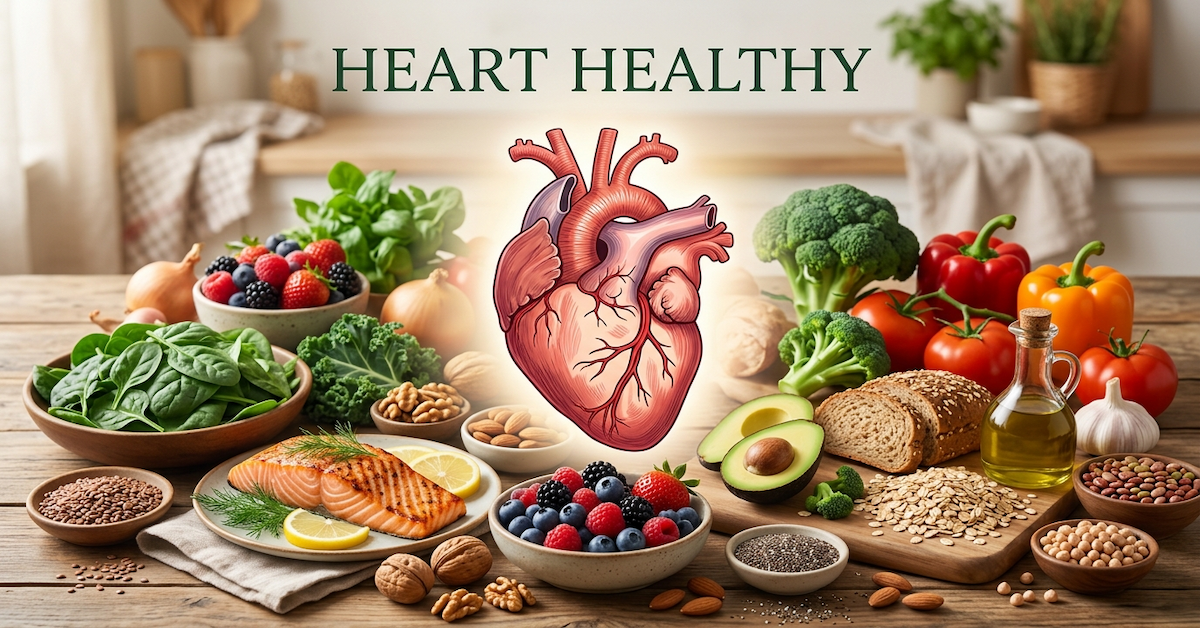
Best Foods for Heart Health: What American Adults Should Eat Every Day
Heart disease remains the leading cause of death in the United States, claiming more than 695,000 lives each year, according to the Centers for Disease Control and Prevention (CDC). The good news? What you eat plays a powerful role in protecting your heart. Both cardiologists and global health organizations like the World Health Organization (WHO) agree: the right diet can dramatically lower your risk of heart attacks, stroke, and cardiovascular disease.
Discover the top heart-healthy foods recommended by doctors and the World Health Organization (WHO) for Americans. Reduce your risk of heart disease with these expert-backed dietary choices
In this article, we’ll walk you through the best foods for heart health, backed by doctor recommendations and WHO dietary guidelines, so you can start making smarter choices at every meal.
Best Foods for Heart Health: What American Adults Should Eat Every Day
Why Diet Matters for Your Heart
Dr. Dariush Mozaffarian, a renowned cardiologist and nutrition researcher at Tufts University, has long emphasized that poor diet is the single largest contributor to cardiovascular disease in America. “Food is medicine,” he states. “What we eat affects inflammation, blood pressure, cholesterol, blood sugar, and body weight — all major risk factors for heart disease.”
The WHO recommends reducing saturated fats, trans fats, salt, and added sugars while increasing fruits, vegetables, legumes, whole grains, and healthy fats. These guidelines align closely with what American heart specialists advise daily.
Top 8 Heart-Healthy Foods for Americans
1. Fatty Fish (Salmon, Mackerel, Sardines)
Fatty fish are among the most powerful foods for heart health. They are rich in omega-3 fatty acids, which reduce inflammation, lower triglycerides, and decrease the risk of irregular heartbeats.
The American Heart Association (AHA) recommends eating at least two servings of fatty fish per week. Dr. Andrew Freeman, a cardiologist at National Jewish Health in Denver, calls omega-3s “nature’s anti-inflammatory agents for the cardiovascular system.”
The WHO also supports regular fish consumption as part of a heart-protective diet.
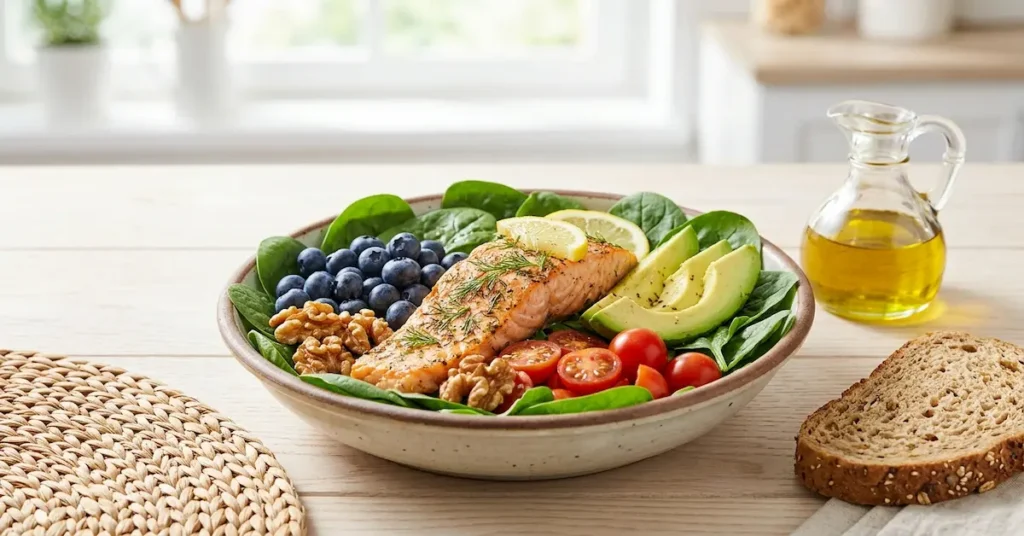
2. Leafy Green Vegetables (Spinach, Kale, Swiss Chard)
Leafy greens are packed with vitamin K, nitrates, antioxidants, and fiber — all of which support healthy blood pressure and artery function. Studies published in the Journal of the American College of Cardiology show that high consumption of leafy greens is associated with a significantly reduced risk of heart disease.
The WHO recommends a daily intake of at least 400 grams of fruits and vegetables, and leafy greens are an ideal way to meet that goal affordably.
3. Whole Grains (Oats, Brown Rice, Quinoa, Whole Wheat)
Unlike refined grains, whole grains retain their fiber-rich bran and germ, which help lower LDL (bad) cholesterol and reduce blood pressure. Oats in particular contain beta-glucan, a soluble fiber shown to have direct cholesterol-lowering effects.
Dr. Walter Willett of Harvard T.H. Chan School of Public Health has repeatedly cited whole grains as a cornerstone of heart-protective eating. The AHA echoes this, recommending that at least half of all grains consumed daily be whole grains.
Best Foods for Heart Health: What American Adults Should Eat Every Day
4. Berries (Blueberries, Strawberries, Raspberries)
Berries are bursting with anthocyanins — powerful antioxidants that fight oxidative stress and inflammation, two key drivers of cardiovascular disease. A Harvard study found that women who ate three or more servings of blueberries and strawberries per week had a 32% lower risk of heart attack compared to those who rarely ate berries.
These affordable fruits are widely available across the U.S. and can be easily added to yogurt, oatmeal, or smoothies.
5. Nuts and Seeds (Almonds, Walnuts, Flaxseeds, Chia Seeds)
Nuts and seeds provide healthy unsaturated fats, plant-based protein, magnesium, and fiber — a combination that lowers bad cholesterol while raising good HDL cholesterol. Walnuts in particular are rich in alpha-linolenic acid (ALA), a plant-based omega-3 fatty acid.
Dr. Frank Sacks, a professor at Harvard Medical School and an authority on cardiovascular nutrition, recommends a small handful of unsalted nuts daily as a heart-smart snack. The WHO also encourages replacing saturated fats with unsaturated fats found in nuts and seeds.
6. Avocados
Avocados are one of the few fruits rich in heart-healthy monounsaturated fats, specifically oleic acid — the same type of fat found in olive oil. They’re also high in potassium, which helps regulate blood pressure. Research published in the Journal of the American Heart Association found that eating two or more servings of avocado per week was associated with a lower risk of cardiovascular disease.
Avocados have become increasingly popular in American kitchens, making them an easy, delicious addition to salads, toast, or tacos.
7. Olive Oil (Extra Virgin)
Extra virgin olive oil is a cornerstone of the Mediterranean diet, one of the most studied and doctor-endorsed diets for heart health. It’s rich in polyphenols and monounsaturated fats that reduce inflammation and improve cholesterol levels.
Dr. Ramon Estruch, lead author of the landmark PREDIMED study, demonstrated that supplementing with olive oil significantly reduced the risk of major cardiovascular events. The AHA recommends using olive oil in place of butter or margarine in cooking.
8. Legumes (Beans, Lentils, Chickpeas)
Legumes are high in soluble fiber, plant protein, and potassium — making them exceptionally powerful for lowering blood pressure and cholesterol. They are also low on the glycemic index, helping stabilize blood sugar, which is closely linked to heart health.
The WHO highlights legumes as an important part of a sustainable, heart-healthy diet. Dr. Joel Kahn, a clinical professor of cardiology at Wayne State University School of Medicine, recommends legumes as a daily staple, calling them “one of the most underrated heart foods in the American diet.”
Foods to Limit or Avoid
To protect your heart, doctors and the WHO urge Americans to reduce:
- Trans fats (found in some packaged snacks and fried foods)
- Excess sodium (limit to under 2,300 mg/day per AHA guidelines)
- Added sugars (linked to obesity, inflammation, and heart disease)
- Processed and red meats (associated with higher cardiovascular risk)
Final Thoughts: Start With Your Plate
You don’t need a complete diet overhaul overnight. As Dr. Mozaffarian advises, “Start with one or two changes — add more vegetables, switch to whole grains, eat fish twice a week — and build from there.”
The WHO and America’s top cardiologists are aligned: a diet rich in whole, minimally processed foods is your strongest defense against heart disease. Your heart works hard for you every second of every day — give it the nutrition it deserves.
Disclaimer: This article is for informational purposes only and does not constitute medical advice. Please consult your physician or a registered dietitian before making significant dietary changes, especially if you have an existing heart condition.