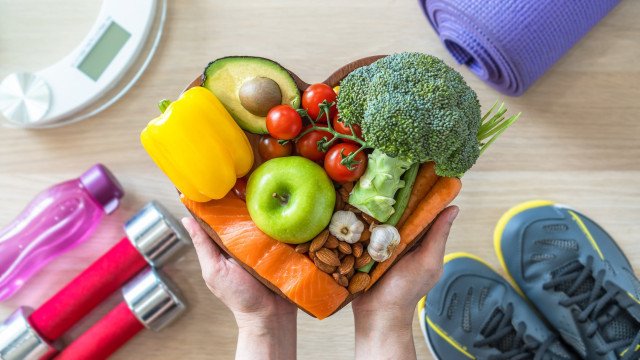
If you only have energy for one thing, should it be fixing your diet or getting to the gym? It’s one of the most common health questions people ask, and it’s also a bit of a trick question — the honest answer is that diet and exercise do different jobs, and neither one substitutes for the other. This guide breaks down what each actually contributes, what happens if you only do one, and how to think about balancing both without burning out trying to do everything at once.
Is It Better to Eat Healthy or Exercise?
If you’re specifically trying to lose weight, diet generally has the bigger impact. This comes down to basic math: it’s far easier to cut 500 calories from what you eat in a day than to burn 500 calories through exercise, which for many people means an hour or more of moderate activity. This is where the popular saying “you can’t out-exercise a bad diet” comes from, and it holds up reasonably well — someone eating a calorie surplus every day will struggle to lose weight no matter how much they exercise.
But “better for weight loss” isn’t the same as “more important overall.” Exercise provides major health benefits that diet alone doesn’t replicate — cardiovascular conditioning, muscle and bone strength, improved insulin sensitivity, and significant mental health benefits. Research consistently finds that regular physical activity is linked to lower rates of early death and chronic disease independent of weight or body size. In other words, a physically active person at a higher body weight often has better health markers than a sedentary person at a lower body weight.
So the honest answer to “which is better” depends on your specific goal: for weight loss specifically, diet does more of the work; for overall health, longevity, and how your body functions day to day, exercise contributes things diet simply can’t.
What Happens If You Eat Healthy But Don’t Exercise?
You’ll likely still see real benefits — a nutritious diet supports weight management, stable energy, better digestion, and lower risk of diet-related conditions like type 2 diabetes and heart disease. But you’ll miss out on what exercise specifically provides: cardiovascular fitness, muscular strength, bone density, and the mood and stress-regulation benefits tied to physical activity. Over time, a sedentary lifestyle — even alongside a great diet — is associated with muscle loss (especially with age), reduced cardiovascular capacity, and a higher risk of conditions like osteoporosis.
In short: eating well without exercising is genuinely good for you, but it’s an incomplete picture of health, not a full substitute for physical activity.
Why Are Healthy Eating and Exercise Both Considered Important?
Because they address different, complementary parts of health rather than competing for the same job:
- Diet primarily governs your calorie balance, nutrient intake, and metabolic health — it’s the main lever for weight management and for getting adequate vitamins, minerals, protein, and fiber.
- Exercise primarily governs your cardiovascular fitness, muscular strength, bone density, and functional capacity — it’s the main lever for how your body performs and holds up over time.
- Together, they compound: exercise increases muscle mass, which improves how your body processes the food you eat; good nutrition fuels better workouts and faster recovery, which makes consistent exercise easier to sustain.
Public health guidelines consistently recommend both together rather than treating them as alternatives, precisely because the research shows their benefits are largely additive rather than overlapping.
Why Is Eating Healthy Food Specifically Important?
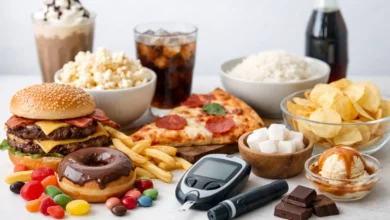
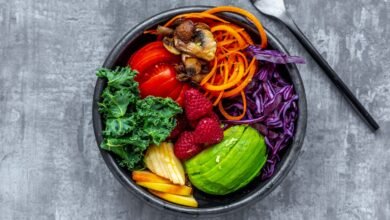
Beyond weight management, nutrition plays a direct role in nearly every body system: immune function, energy production, hormone regulation, digestive health, cognitive function, and long-term disease risk. Diets consistently high in ultra-processed foods, added sugar, and excess sodium are linked with higher rates of obesity, type 2 diabetes, cardiovascular disease, and some cancers, while diets rich in vegetables, fruits, whole grains, lean protein, and healthy fats are associated with better outcomes across nearly all of these same categories. Nutrition also affects things people don’t always connect to diet directly — mood stability, sleep quality, and skin health all have documented links to what you eat. Even small, consistent shifts, like adding more vegetables or reducing sugary drinks, tend to compound into meaningful improvements over months, which is why nutrition experts generally favor gradual, sustainable changes over short-term restrictive diets.
A Practical Way to Balance Both Without Burning Out
Trying to overhaul your diet and start an intense workout routine simultaneously is one of the most common reasons people give up on both within a few weeks. A more sustainable approach:
- Start with whichever feels more manageable right now — there’s no rule that says diet has to come first, or vice versa.
- Make small, specific changes rather than sweeping ones — adding a vegetable to dinner or a 20-minute walk most days is more sustainable than an extreme diet overhaul or a daily hour-long gym session.
- Layer the second habit in once the first feels automatic, typically after a few consistent weeks.
- Track progress by how you feel and function, not just the scale — energy, sleep, strength, and mood are all meaningful signals that both habits are working, even before the number on the scale moves.
Signs Your Routine Is Missing One of the Two
Since diet and exercise cover different ground, the signs that you’re missing one tend to look different too:
- Missing exercise, but eating well: low energy despite good sleep, declining strength or stamina over time, getting winded easily during everyday activities, stiffness or reduced mobility.
- Missing good nutrition, but exercising regularly: frequent energy crashes, slower recovery between workouts, plateauing progress despite consistent training, more frequent minor illnesses, difficulty losing weight despite regular activity.
If you’re noticing a cluster of symptoms from one list but not the other, that’s often a useful clue about which half of the equation needs more attention right now.
What the Research Says About Combining Both
Studies comparing diet-only, exercise-only, and combined interventions consistently find the combined approach produces the best outcomes across nearly every measure — weight loss, weight loss maintenance, cardiovascular risk factors, and long-term health markers. Diet-only approaches tend to produce faster initial weight loss but often struggle with long-term maintenance and don’t build the muscle and cardiovascular fitness that come with exercise. Exercise-only approaches build fitness and can modestly reduce weight, but usually produce slower and smaller weight changes than diet-focused approaches, particularly when the diet itself doesn’t change.
This is part of why most credible weight-loss and health programs — from clinical weight management to general public health guidelines — recommend addressing both rather than picking one. It isn’t a marketing angle; it reflects a fairly consistent pattern across decades of research on lifestyle interventions.
Common Questions
Can exercise make up for an unhealthy diet?
Partially, but not fully. Exercise can offset some of the metabolic effects of a less-than-ideal diet — for example, regular activity improves insulin sensitivity even in people who don’t eat perfectly. But exercise can’t fully counteract a diet that’s consistently high in ultra-processed food, excess sugar, or a large calorie surplus, and it doesn’t provide the specific micronutrients your body needs regardless of how much you work out.
If I can only pick one, which should I start with?
Whichever one you’re more likely to actually stick with. Motivation and consistency matter more than the theoretical “optimal” choice — a mediocre diet plan you follow consistently beats a perfect one you abandon after a week, and the same is true for exercise. Pick the lower-friction starting point for you personally.
How long before I notice benefits from adding the missing piece?
Some effects show up quickly — better energy and mood from exercise can appear within days to a couple of weeks, and diet changes can affect digestion and energy within a similar window. More structural changes, like measurable strength gains, improved cardiovascular fitness, or significant weight changes, typically take several weeks to a few months of consistent effort to become clearly noticeable.
The Bottom Line
Diet and exercise aren’t competing priorities — they’re two different tools doing two different jobs, and the research consistently shows the biggest health benefits come from combining them rather than picking one. If you can only build one habit right now, either is a legitimate place to start. Just know that eventually, adding the other one is what gets you the fuller set of benefits neither can deliver alone.