Stand in the snack aisle long enough and you’ll end up asking the same question everyone does: walnuts vs cashews, which one is actually better for you? Both are nutritious, both are good for your heart, and both disappear from the jar faster than they should.
The honest answer is that in the walnuts vs cashews matchup, each one wins in a different area. Walnuts have the edge for brain health, while cashews are a little friendlier if you’re watching calories. Here’s how they really compare, so you can pick the right one for your goals.
Walnuts vs Cashews: The Numbers at a Glance
Here’s roughly what you get in a 1-ounce (28-gram) serving, which is about a small handful:
| Per 1 oz (28 g) | Walnuts | Cashews |
|---|---|---|
| Calories | About 185 | About 157 |
| Total fat | 18.5 g | 12.4 g |
| Protein | 4.3 g | 5.2 g |
| Plant omega-3 (ALA) | About 2.5 g | Very little |
| Standout minerals | Manganese, copper | Copper, magnesium, zinc, iron |
Those numbers already tell most of the story. Walnuts carry more fat, but a big share of it is the healthy omega-3 kind. Cashews are a bit lighter and slightly higher in protein.
For Your Brain: Walnuts Take the Lead
Walnuts are the only common nut that’s a genuinely rich source of alpha-linolenic acid (ALA), the plant form of omega-3 fat. Your body can’t make it, so it has to come from food. Walnuts also contain more polyphenols, a type of antioxidant, than most other nuts. Antioxidants help protect your cells from oxidative stress, a kind of slow, everyday wear and tear that builds up when harmful molecules outnumber your body’s defenses.
The research is promising, if not final. A large UCLA analysis of U.S. survey data found that adults who ate more walnuts scored better on tests of memory, concentration and processing speed. A smaller University of Reading study found that young adults who had about 50 grams of walnuts at breakfast showed quicker reaction times and better memory later that day. That one was funded by the walnut industry, so it’s worth keeping in perspective. Still, the overall direction is encouraging.
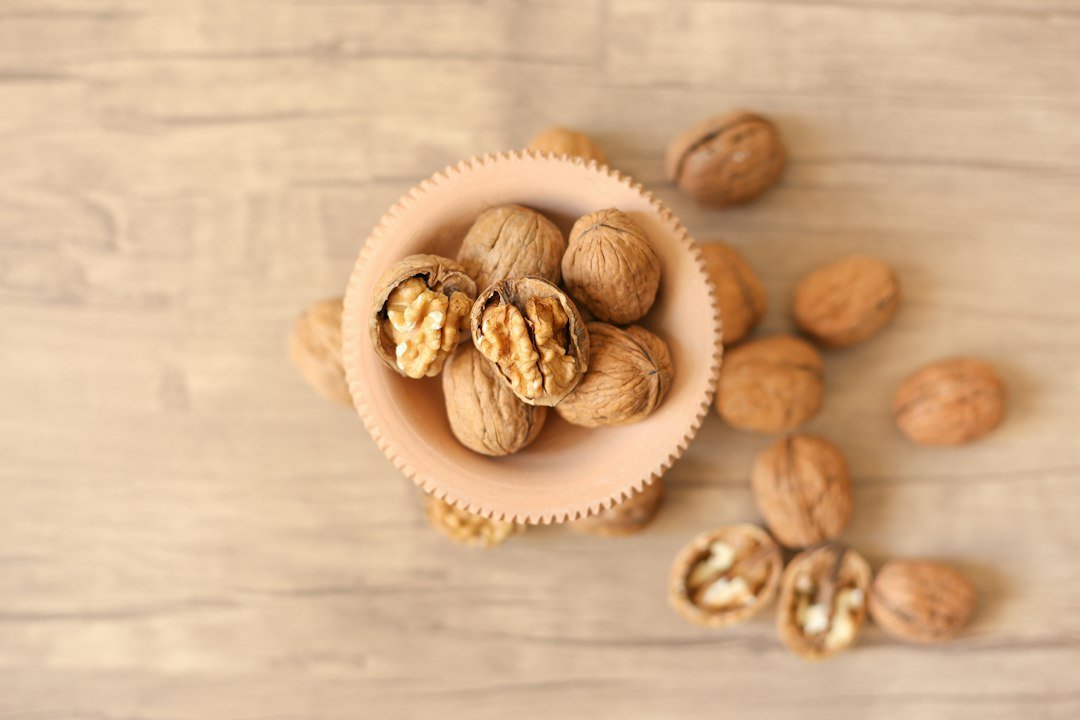
So if brain health is your main reason for comparing walnuts vs cashews, walnuts are the smarter pick. They pair nicely with our tips on ultra-processed foods and brain health, since swapping chips for a handful of walnuts is an easy upgrade.
For Your Heart: It’s Closer Than You Think
When it comes to heart health, walnuts vs cashews is almost a tie. Both are full of unsaturated fats, which help lower LDL (“bad”) cholesterol when they replace saturated fats like butter or fatty meat. According to Mayo Clinic, eating nuts regularly may also ease inflammation, support healthier arteries and lower the risk of blood clots.
Walnuts get a small bonus from their omega-3 content. Cashews, on the other hand, bring magnesium and plant protein, and some studies suggest they may help with blood pressure and triglycerides. If you’re working on your numbers, these natural ways to manage blood pressure are worth a read too.
For Weight Control: Cashews Have a Slight Edge
If you look at walnuts vs cashews ounce for ounce, cashews have fewer calories and a little more protein. Protein keeps you full longer, so cashews can fit nicely into a weight loss plan. But let’s be real: the difference is about 30 calories per handful. Portion size matters far more than which nut you choose.
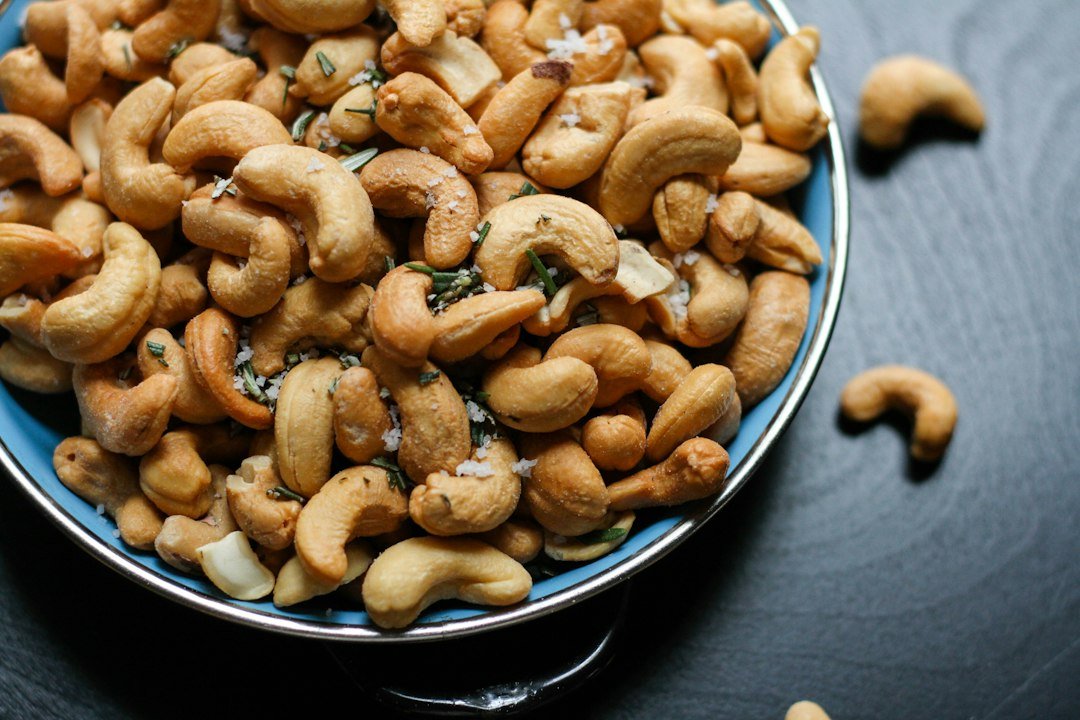
The good news is that nuts tend to curb your appetite, so a small portion can stop you from reaching for something worse later. For more ideas, check out these best snacks for weight loss.
Cashews Are a Hidden Mineral Source
Cashews quietly pack a lot of minerals. A single ounce covers a big chunk of your daily copper needs, which your body uses for energy production, nerve function and immunity. They also add magnesium for healthy muscles and nerves, plus zinc and iron. If your diet is light on these, cashews are an easy way to fill the gap.
How to Eat Them the Healthy Way
- Stick to a handful. About 1 ounce is one serving. Mayo Clinic suggests 4 to 6 servings of unsalted nuts a week for adults.
- Go plain. Raw or dry-roasted nuts are best. Salted, honey-roasted or chocolate-coated versions can cancel out a lot of the benefits.
- Mix them up. You don’t have to choose just one. Different nuts give you different nutrients.
- Add them to meals. Toss walnuts into oatmeal or salads, or add cashews to stir-fries. They also work well in these high protein breakfast ideas.
Walnuts vs Cashews: Quick Answers
Can I eat walnuts and cashews every day?
Yes, as long as you keep it to a small handful and choose unsalted versions. Daily nuts fit well into a balanced diet.
Which is better for diabetes?
Both have a low impact on blood sugar. Walnuts are slightly lower in carbs, but either one is a better snack than crackers or sweets. See our guide to foods for blood sugar control for more options.
The Bottom Line
In the walnuts vs cashews debate, there isn’t one clear winner. Pick walnuts if you want omega-3s and extra support for your brain. Choose cashews if you’d like fewer calories, a bit more protein and a solid dose of minerals. Better yet, keep both in your pantry and rotate them. Your heart will be happy either way.
This article is for general information only and isn’t medical advice. If you have a nut allergy or a health condition, check with your doctor before changing your diet.