Ultra-Processed Foods and Brain Health: What the New “Silent Stroke” Study Means for You

If you’ve opened a news app this month, you’ve probably seen headlines tying chips, soda and frozen dinners to brain damage. That sounds dramatic, and some of the coverage is. But the study behind it is real, it’s large, and it’s worth understanding without the panic.
Here’s what the researchers actually found about ultra-processed foods and brain health, what they didn’t find, and a few realistic changes that don’t require throwing out your whole pantry.
Ultra-Processed Foods and Brain Health: What the New Study Found
The research comes from McMaster University and Hamilton Health Sciences in Canada, and it was published in JAMA Network Open on October 15, 2026. The team looked at diet questionnaires and MRI brain scans from nearly 9,000 adults aged 35 to 69. None of them had a history of heart disease. By most standards, these were healthy middle-aged people.
People in the group that ate the most ultra-processed food were about 40% more likely to show small areas of brain damage on their scans than those who ate the least. Much of this was what doctors call a silent stroke: tiny injuries to brain tissue that cause no obvious symptoms at the time, but are linked to a higher chance of a full stroke and memory problems later on (HealthDay’s report has a good summary).
Two other details stood out. The link was stronger in women; those with the highest intake were roughly twice as likely to show these changes as women who ate the least. And heavy ultra-processed food eaters also carried more deep belly fat, the kind that wraps around your organs and is tied to inflammation and blood vessel damage. If that’s something you’re already working on, our guide on how to reduce belly fat the smart way is a good place to start.
What It Doesn’t Prove
This part matters, and plenty of headlines skipped it. The study was a snapshot. Each person was scanned once, so the researchers can’t say ultra-processed food caused the damage. People who eat a lot of packaged food may differ in other ways too, although the link held up after the team adjusted for age, lifestyle, blood pressure, diabetes and similar factors.
There’s also a twist. The people with more brain changes didn’t score worse on memory and thinking tests. That might sound reassuring, but the researchers read it differently: physical changes in the brain can show up years before anyone notices they’re getting forgetful. That’s exactly why your 30s, 40s and 50s may be the right time to pay attention.
It also isn’t the only research on ultra-processed foods and brain health pointing this way. A Harvard team that followed more than 5,000 older Americans for about nine years found that those eating the most ultra-processed food had a 58% higher risk of developing dementia. Same caveat applies: it’s an association, not proof. But the pattern keeps showing up.
What Counts as Ultra-Processed Food?
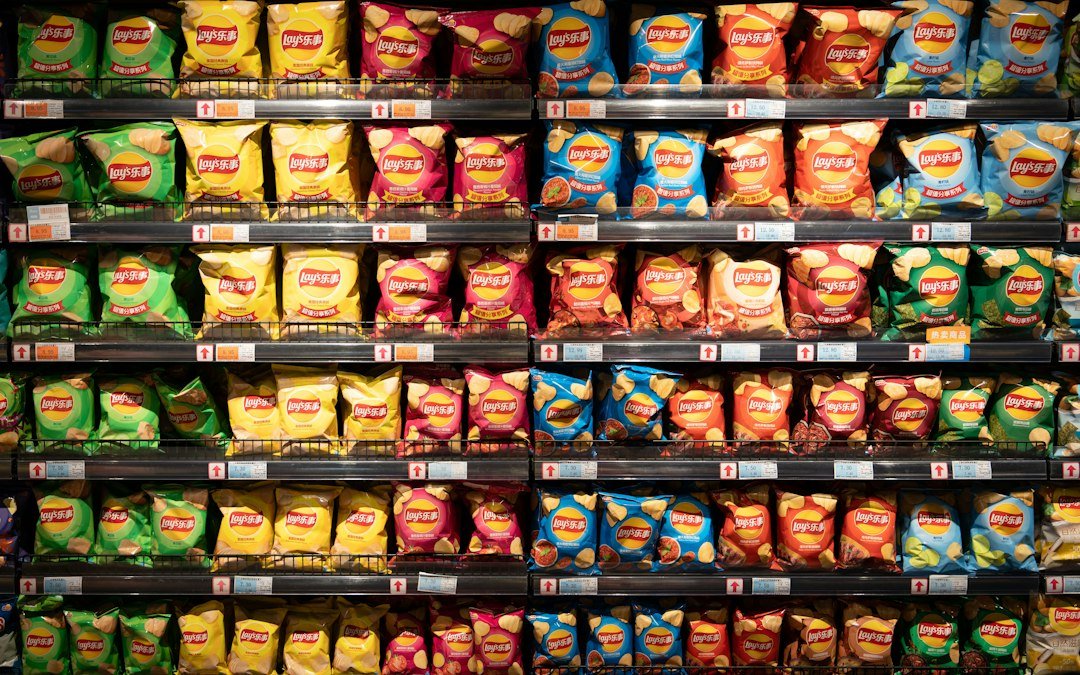
Ultra-processed foods are industrial products made mostly from extracted ingredients like refined starch, sugar, oils and protein isolates, plus additives you’d never keep in your own kitchen, such as emulsifiers, flavorings and colorings. Common examples include:
- Soft drinks and energy drinks
- Packaged chips, crackers and cookies
- Sweetened breakfast cereals and flavored yogurts
- Hot dogs, deli meats and chicken nuggets
- Frozen ready meals and instant noodles
Not all processing is bad, though. Frozen vegetables, canned beans, plain yogurt and oats are technically processed, and they’re perfectly good food. The problem is products where the original food has more or less disappeared.
How Ultra-Processed Foods and Brain Health Might Be Connected
Nobody has the full answer yet, but the likely reasons overlap with what we already know about heart health. These products tend to be high in sodium, added sugar and saturated fat, and low in fiber. Over time, that mix pushes up blood pressure, blood sugar and inflammation, all of which strain the tiny blood vessels that feed your brain.
The McMaster team also noticed something simple. As ultra-processed food went up, real food went down. Fruits, vegetables, grains and other minimally processed foods made up 68% of daily servings in the lowest group, but only 41% in the highest. So part of the harm may come from what these products push off your plate.
6 Practical Ways to Cut Back (Without Going Extreme)
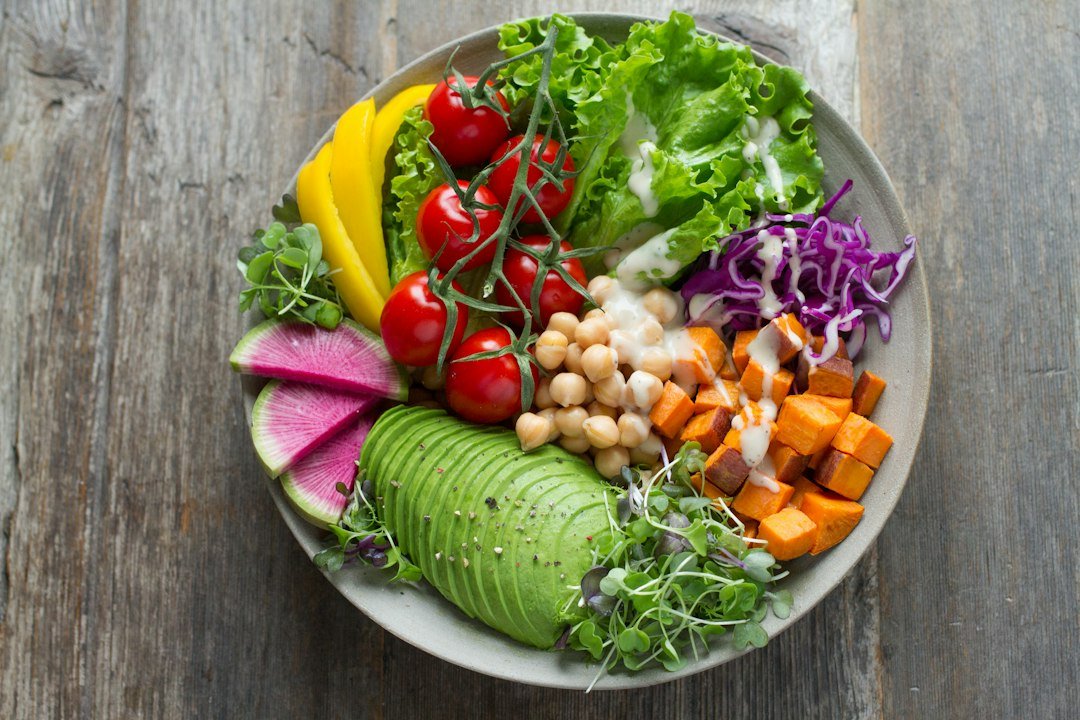
You don’t need a perfect diet. When it comes to ultra-processed foods and brain health, a slightly better default does more than a strict plan you’ll quit in two weeks. Here’s what tends to stick:
- Fix the drink first. Swapping one soda a day for sparkling water or unsweetened tea is the easiest win on this list.
- Restock your snack shelf. Keep nuts, fruit, boiled eggs or hummus within reach. These snacks that actually keep you full are a good starting list.
- Upgrade breakfast. Sweet cereal is a big source for a lot of people. Eggs, oats or Greek yogurt with fruit do a better job, and these high protein breakfast ideas make the switch easy.
- Cook in batches. Ready meals win when you’re tired. A couple of hours of meal prep on the weekend takes that excuse away.
- Read the ingredients, not the front of the box. If the list is long and full of things you can’t picture, it’s probably ultra-processed.
- Aim for less, not zero. Going from most meals to a few a week still counts. Small changes are easier to keep, which is the whole idea behind building healthy habits that last.
If you’re watching your blood sugar or dealing with inflammation, these foods for blood sugar control and anti-inflammatory foods fit right into a less-processed way of eating.
The Bottom Line
One study won’t settle the question of ultra-processed foods and brain health, and the authors say themselves that longer research tracking people over time is still needed. But the message lines up with decades of advice about heart health: more real food, less factory food. Your brain seems to care about that just as much as your heart does, and the changes that may protect it are the same ones that help your waistline, your energy and your long-term health.
Quick Answers
Is there a proven link between ultra-processed foods and brain health?
There’s a strong and growing association, but not proof of cause yet. Several large studies, including the new Canadian MRI study and a long-running Harvard study, point in the same direction.
What is a silent stroke?
It’s a small area of brain damage caused by a blocked or damaged blood vessel that doesn’t cause obvious symptoms. It’s usually found on an MRI by accident, and it raises the risk of future strokes and memory problems.
How much ultra-processed food is too much?
There’s no official cutoff. In the study, the highest-risk group got close to half of their daily food servings from ultra-processed products. If you’re thinking about ultra-processed foods and brain health, getting most of your meals from whole or minimally processed foods is a sensible goal.
This article is for general information and isn’t medical advice. If you’re worried about stroke risk or memory changes, talk to your doctor.