That morning bagel and sweet coffee can look harmless, but for many people with diabetes, that kind of breakfast can set off a blood sugar roller coaster before the day even starts. Knowing the main foods to avoid with diabetes is not about fear or perfection. It is about making everyday choices that help you feel better, stay fuller longer, and keep your numbers more stable.
The good news is that you do not need a complicated meal plan to eat smarter. Most of the trouble comes from a handful of foods that digest fast, spike blood sugar quickly, or make it easy to overeat without realizing it. Once you know what they are and why they matter, it gets much easier to build meals that work for you.
Why some foods are harder on blood sugar
Diabetes changes how your body handles glucose. Foods that are high in added sugar or refined carbohydrates tend to break down quickly, which can lead to a fast rise in blood sugar. If a meal is also low in protein, fiber, or healthy fat, that rise can happen even faster.
That does not mean every carbohydrate is bad. Fruit, beans, oats, and whole grains can still fit into a diabetes-friendly diet. The bigger issue is how processed the food is, how large the portion is, and what you eat with it. A small serving of rice with grilled chicken and vegetables lands differently than a giant bowl of sugary cereal with no protein.
Foods to avoid with diabetes or eat only rarely
Sugary drinks
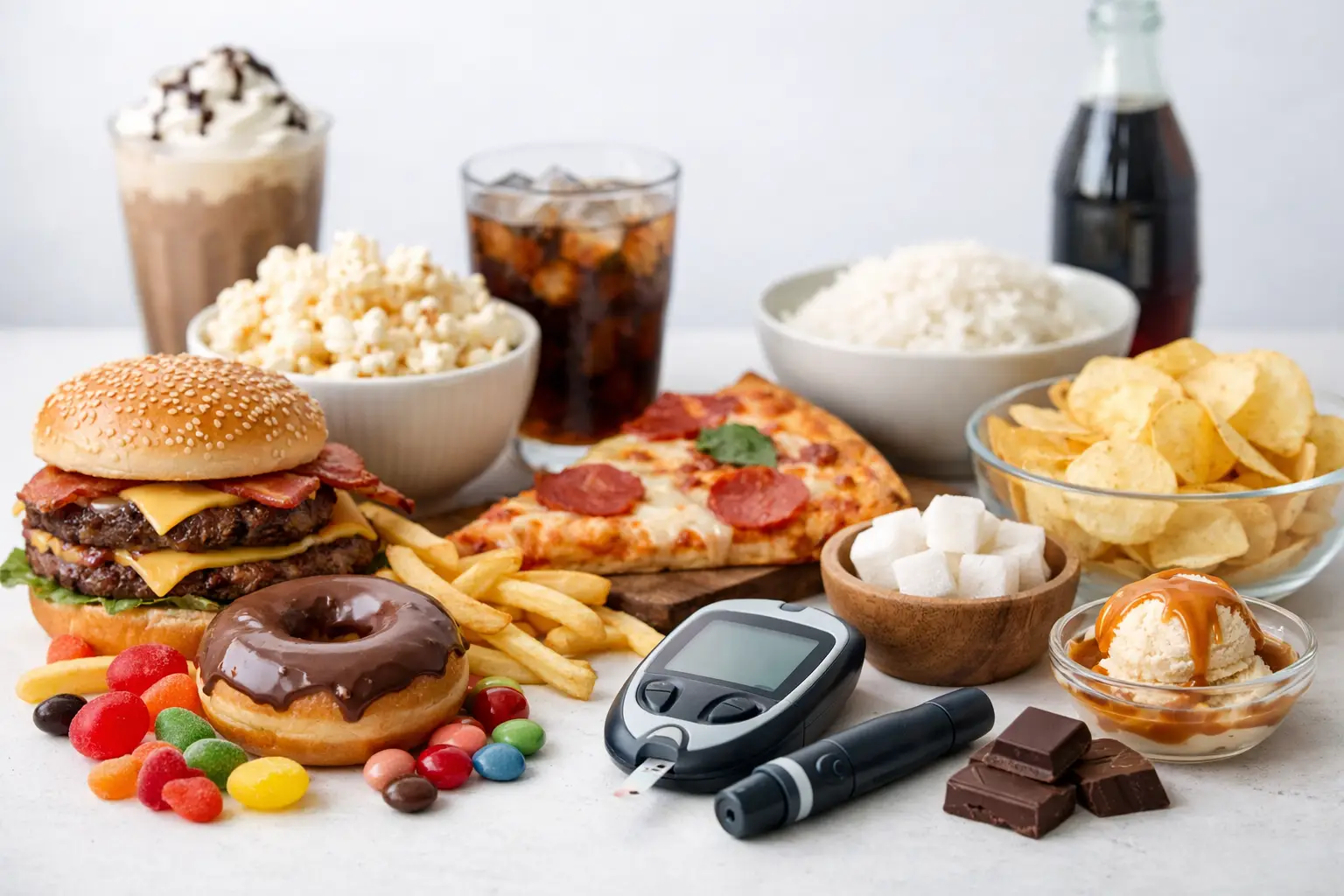
Soda, sweet tea, energy drinks, fruit punch, and many coffee shop drinks are some of the biggest blood sugar disruptors. They deliver a large amount of sugar very quickly, and because they are liquid, they do not fill you up the way solid food does. That makes it easy to drink hundreds of calories and still feel hungry.
Even drinks labeled as natural can be a problem. Juice may contain vitamins, but it is still concentrated sugar without the filling fiber you get from whole fruit. If you want something sweet, a better option is water with fruit slices, unsweetened tea, or sparkling water.
Candy, desserts, and baked sweets
Cookies, cakes, donuts, pastries, and candy are obvious sugar sources, but the issue is not just sugar. Many of these foods also contain refined flour and unhealthy fats, which can make them a double hit for people working on blood sugar and heart health.
You do not need to swear off dessert forever. The smarter move is to stop treating sweets like an everyday snack. If you have one occasionally, keep the portion small and pair it with a balanced meal instead of eating it on an empty stomach.
White bread, white rice, and refined pasta
These foods are staples in many homes, but they are stripped of much of their fiber during processing. That means your body can convert them into glucose faster than less processed carbohydrates. Large portions can push blood sugar up quickly, especially when the meal lacks vegetables or protein.
This is one of those areas where trade-offs matter. You may not need to eliminate rice or pasta completely, but switching to smaller portions, whole grain versions, or higher-fiber alternatives can make a real difference. Some people also do better when they cool and reheat rice or potatoes, which may slightly lower the blood sugar impact.
Sugary breakfast cereals
Many breakfast cereals look healthy on the front of the box and act like dessert in the bowl. They are often low in protein, low in fiber, and packed with added sugar. Add milk and a large serving size, and breakfast can become a fast carb overload.
A better breakfast usually includes protein and fiber, such as eggs with whole grain toast, plain Greek yogurt with berries, or oatmeal with nuts and cinnamon. Starting the day with a steadier meal can help reduce cravings later on.
Flavored yogurt
Yogurt can be a smart food, but flavored versions often come loaded with sugar. Some single-serving containers contain as much added sugar as a small dessert. That can catch people off guard because yogurt has a healthy reputation.
Plain Greek yogurt is usually the better choice because it has more protein and less sugar. If plain tastes too tart, add berries, chia seeds, or a small sprinkle of cinnamon instead of relying on pre-sweetened varieties.
Fried foods
French fries, fried chicken, chips, and other deep-fried foods are not always high in sugar, but they still deserve caution. They are often high in calories, unhealthy fats, and sodium, which matters because diabetes also raises the risk of heart disease.
Fried starches can be especially tricky. French fries combine a high-carb potato with oil and salt, making them easy to overeat. Roasted potatoes, air-fried vegetables, or baked sweet potato wedges are usually easier to fit into a healthier routine.
Processed snack foods
Crackers, snack cakes, pretzels, and packaged chips may seem convenient, but they are often made with refined flour, added starches, and very little fiber. They digest quickly and rarely keep you full for long. That can lead to a cycle of snacking, blood sugar spikes, and more hunger.
Convenience matters, especially on busy days, so the goal is not to avoid snacks altogether. It is to choose ones that work harder for you. Nuts, cottage cheese, sliced vegetables with hummus, or an apple with peanut butter usually offer more staying power.
Sweetened coffee drinks
A plain coffee is one thing. A blended coffee drink with syrup, whipped cream, and flavored creamer is something else entirely. These drinks can pack a surprising amount of sugar and calories, and many people do not count them as part of a meal.
If you love coffee, you do not have to give it up. Try scaling back gradually by choosing less syrup, skipping whipped cream, or using a small amount of milk instead of sugary creamers. Small changes here can have a bigger impact than people expect.
Dried fruit in large portions
Dried fruit sounds healthy, and in small amounts it can fit into a balanced diet. The problem is portion size. Once fruit is dried, the sugar becomes much more concentrated, and it is easy to eat several servings in a few bites.
If you enjoy raisins, dates, or dried cranberries, treat them more like a topping than a snack. Fresh fruit is usually the easier choice because it contains more water and helps you feel full with less sugar per bite.
Highly processed fast food meals
Fast food is not automatically off-limits, but many combo meals are built around refined carbs, sugary drinks, fried items, and oversized portions. That combination can make blood sugar harder to control and add extra saturated fat and sodium at the same time.
This is where planning helps. If fast food is your only option, aim for grilled protein, skip the sugary drink, and be selective about fries, buns, and sauces. One meal does not define your health, but repeated habits do.
Foods labeled sugar-free
This one surprises people. Sugar-free cookies, candies, and ice creams can still affect blood sugar because they may contain refined carbs, sugar alcohols, or enough calories to encourage overeating. A sugar-free label does not automatically mean diabetes-friendly.
The better question is not whether a food is sugar-free. It is whether it is minimally processed, satisfying, and balanced enough to support your goals.
What to eat instead
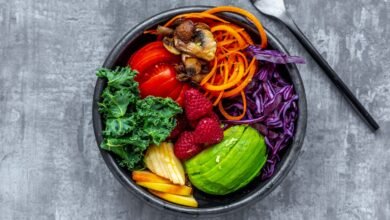
When people focus only on restriction, healthy eating starts to feel miserable. A more useful approach is to replace problem foods with options that digest more slowly and keep you satisfied. Meals built around lean protein, high-fiber carbs, nonstarchy vegetables, and healthy fats usually create steadier energy.
That could look like grilled salmon with roasted broccoli and quinoa, turkey lettuce wraps with avocado, or a simple bowl of beans, brown rice, salsa, and chicken. Snacks can be just as practical: a boiled egg, a handful of nuts, plain yogurt, or raw veggies with dip. You are not just cutting foods out. You are building meals that make blood sugar easier to manage.
A few foods depend on portion size
Not every food fits neatly into yes or no. Bananas, potatoes, pasta, rice, and even bread can work for some people in controlled portions, especially when paired with protein and fiber. Blood sugar responses vary, so what sends one person high may be manageable for someone else.
That is why checking your blood sugar, if your doctor recommends it, can be so helpful. It gives you feedback about your own body instead of forcing you to guess. Over time, you start to see patterns and make smarter adjustments without feeling deprived.
The goal is fewer spikes, not a perfect diet
If you are trying to improve diabetes control, start with the biggest wins first. Cut back on sugary drinks, reduce refined carbs, and stop relying on processed snacks as daily fuel. Those changes alone can improve how you feel and make healthier eating much more realistic.
You do not need to get every meal right. You just need to make the next choice a little better than the last one, and keep going long enough for those choices to become your new normal.