Our free health calculators are easy to use and built on published nutrition research. Enter your details, get an estimate in seconds, and see exactly which sources each calculation is based on.
- TDEE Calculator – estimate your daily maintenance calories.
- Protein Calculator – see your daily protein minimum and a flexible range.
- Macro Calculator – split your calories into protein, carbs and fat.
- Nutrition Calculator – calories, macros, fiber and water targets in one place.
- BMI Calculator – a quick screening of weight relative to height.
How these health calculators work
Calories are estimated with the Mifflin-St Jeor equation. Protein, carbohydrate, fat, fiber and water targets use the Dietary Reference Intakes published by the U.S. National Academies. Every calculator page lists its full references at the bottom.
These tools give general estimates for healthy adults aged 18 to 80. They are not medical advice and cannot replace a doctor or registered dietitian. Please read our Medical Disclaimer. Written by MD MOHTASIM.
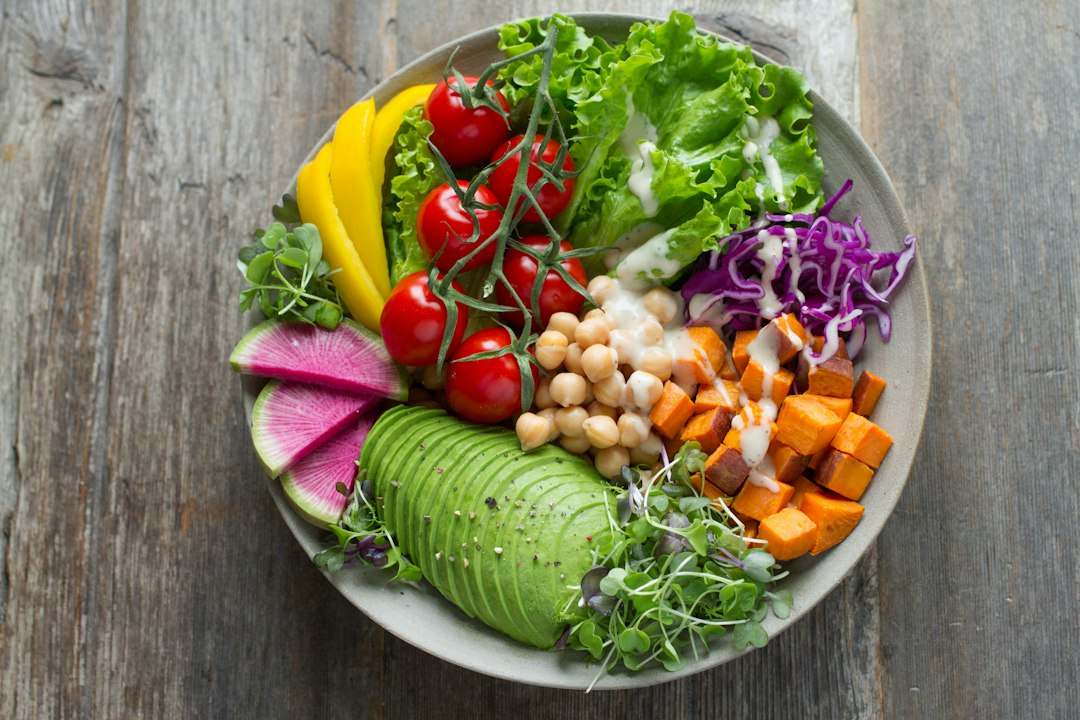
Which health calculator should you use?
If you are not sure where to start, begin with the TDEE Calculator. It estimates how many calories you burn in a typical day, and every other tool on this page builds on that number.
Want to lose, keep or gain weight? Use the Macro Calculator to set a calorie goal and split it into protein, carbs and fat. If your main question is how much protein you need, the Protein Calculator gives you the daily minimum and a flexible range in grams.
For a full picture of your day, including fiber and water, try the Nutrition Calculator. To check your weight relative to your height, use the BMI Calculator. Each tool takes less than a minute and works on phones, tablets and computers.
Tips for accurate results from our health calculators
- Weigh yourself in the morning, before eating, for the most consistent number.
- Choose the lower activity level if you are unsure. Most people overestimate how active they are.
- Treat every result as a starting point. Follow it for 2 to 3 weeks, watch how your body responds, and adjust.
- Recalculate after a big change in weight, training or daily routine.
- If you are pregnant, breastfeeding, under 18, or managing a medical condition, ask your doctor or a registered dietitian before changing your diet.
Sources
- Mifflin MD, St Jeor ST, et al. A new predictive equation for resting energy expenditure in healthy individuals. Am J Clin Nutr. 1990;51(2):241-247. doi:10.1093/ajcn/51.2.241
- Institute of Medicine. Dietary Reference Intakes for Energy, Carbohydrate, Fiber, Fat, Fatty Acids, Cholesterol, Protein, and Amino Acids. National Academies Press; 2005. doi:10.17226/10490
- CDC. Adult BMI Categories. cdc.gov