How to Reduce Belly Fat the Smart Way
You can do hundreds of crunches and still wonder why your waistline barely changes. That is usually the most frustrating part of trying to figure out how to reduce belly fat – the effort feels real, but the results can feel slow, uneven, and confusing.
The good news is that belly fat is not a separate problem that needs a secret fix. It responds to the same core habits that drive healthy weight loss overall: eating in a way you can sustain, moving your body consistently, sleeping well, and getting stress under better control. The catch is that you cannot spot-reduce fat from one area, so the smartest plan is to lower total body fat while protecting muscle and improving your daily routine.
How to reduce belly fat without wasting time
If your goal is a flatter stomach, start by ignoring quick-fix promises. Waist trainers, detox teas, endless ab workouts, and extreme diets may sound appealing because they offer speed. Most of them either reduce water weight for a few days or push you into habits you cannot maintain.
Real fat loss is slower, but it is also more dependable. Your body stores extra energy as fat when you regularly eat more than you burn, and it pulls from those fat stores when your habits shift in the other direction over time. Belly fat often decreases as your overall body fat decreases, even if that area is one of the last places to visibly change.
This is where patience matters. Some people lose fat from their face and arms first. Others notice changes in their waist sooner. Genetics, age, hormones, sleep quality, and stress all influence where fat is stored and how quickly it comes off. That does not mean your plan is failing. It usually means your body is following its own timeline.
Start with the food habits that make the biggest difference
For most people, nutrition drives the largest share of results. You do not need to eat perfectly, but you do need a pattern that creates a modest calorie deficit without leaving you hungry all day.
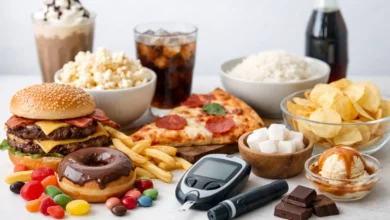
A simple place to begin is by building meals around protein, fiber, and minimally processed foods. Protein helps you stay full and supports muscle while you lose weight. Fiber slows digestion and makes meals more satisfying. Foods like eggs, Greek yogurt, chicken, fish, beans, tofu, oats, berries, vegetables, and potatoes tend to work better for appetite control than pastries, chips, sugary drinks, and ultra-processed snacks.
One of the fastest upgrades is cutting back on liquid calories. Soda, sweet coffee drinks, energy drinks, and even large amounts of juice can add hundreds of calories without making you feel full. Alcohol can do the same, while also lowering your guard around food choices. If belly fat is your focus, reducing sugary drinks and drinking alcohol less often can have an outsized impact.
Portion awareness also matters. Healthy food can still stall progress if portions keep creeping up. You do not need to weigh every bite forever, but tracking your intake for a week or two can be eye-opening. Many adults underestimate calories from sauces, snacks, and weekend eating.
The best diet is the one you can repeat
Low-carb can work. Higher-carb can work too. Intermittent fasting helps some people eat less naturally, while others just end up overly hungry and binge later. There is no single belly-fat diet that beats everything else for everyone.
The better question is this: can you follow your eating plan on a busy Tuesday, not just on a motivated Monday? If the answer is no, it probably needs adjusting. A sustainable plan usually includes enough protein, enough produce, room for occasional treats, and a calorie level that feels manageable rather than punishing.
Exercise helps more than people think
If you are learning how to reduce belly fat, exercise should support your nutrition, not replace it. It is hard to out-train a consistently high-calorie diet, but movement still matters because it increases energy use, helps preserve muscle, improves insulin sensitivity, and supports long-term weight maintenance.
Walking is one of the most underrated tools for fat loss. It is free, low-impact, and easy to recover from. A daily walking habit can help you burn more calories without the exhaustion that comes from trying to do intense workouts every day. For many beginners, simply getting more steps is a realistic first win.
Strength training deserves a place too. When you lift weights or do bodyweight resistance exercises, you give your body a reason to keep muscle while losing fat. That matters because muscle helps maintain a healthier metabolism and improves body shape as the waist gets smaller. You do not need a fancy gym setup. Squats, rows, pushups, lunges, presses, and deadlift variations can cover a lot.
Cardio has value as well, especially if you enjoy it. Cycling, jogging, swimming, dance workouts, and interval training can all help create the calorie deficit needed for fat loss. The best choice is usually the one you will actually stick with for months.
Do ab workouts help?
They help your core get stronger, which is useful for posture, balance, and daily movement. They do not directly burn belly fat off your stomach. That said, core training still has a place. As body fat drops, stronger abdominal muscles can help your midsection look firmer.
So keep planks, dead bugs, leg raises, or crunch variations if you like them. Just do not mistake them for the main engine of fat loss.
Sleep and stress can quietly drive belly fat gain
This is the part many people skip, then wonder why cravings feel impossible to control. Poor sleep and ongoing stress can make fat loss harder by increasing hunger, reducing energy, and pushing you toward convenience foods.
When you are sleeping five or six hours a night, it becomes much harder to make calm decisions around food. You are more likely to crave sugar, overeat at night, and skip workouts because you feel drained. Stress can do something similar. It does not automatically cause belly fat on its own, but it can create the habits that lead to it – more snacking, less movement, more alcohol, and inconsistent sleep.
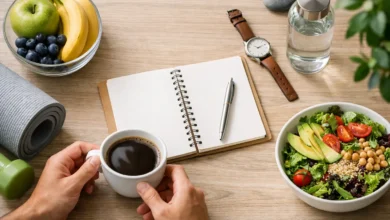
You do not need a perfect wellness routine to improve this. Start smaller. Set a more consistent bedtime. Keep your room cooler and darker. Put your phone down earlier. Take a 10-minute walk after meals. Try basic stress outlets that fit real life, like journaling, stretching, prayer, breathing drills, or quiet time without screens.
Why progress sometimes feels slow
Belly fat often changes more slowly than people expect, especially after your first few weeks. Early scale drops can come from water loss, lower sodium intake, or less bloating. True fat loss is usually steadier and less dramatic.
That is why it helps to track more than one metric. Your scale weight matters, but so do waist measurements, how your clothes fit, your energy levels, and progress photos taken under similar conditions. Sometimes the scale barely moves while your waist gets smaller because you are losing fat and holding onto muscle.
It is also worth remembering that age, medications, hormonal changes, and underlying health conditions can affect how easy or difficult fat loss feels. If you are doing many things right and seeing little change for a long time, a conversation with a healthcare professional may help rule out bigger issues.
A simple weekly approach that works
The most effective plan is usually the least dramatic one you can keep repeating. Aim to eat mostly whole, filling foods, hit a solid protein target at each meal, and keep calorie-heavy extras in check. Move daily, even if that starts with walking. Add strength training two to four times per week. Get serious about sleep. Keep stress from running the whole show.
If that sounds basic, that is because it is. Basic does not mean weak. It means proven.
You do not need to wait for a new month, a new workout outfit, or a perfect meal plan. Start with the next meal, the next walk, and the next early bedtime. Belly fat usually comes off the same way better health is built – one repeatable choice at a time.