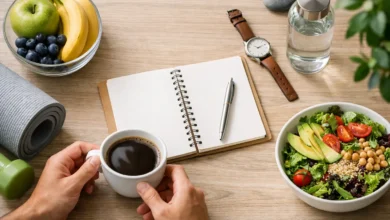
Most people do not need a perfect routine to improve their odds of a longer life. They need a few habits they can actually keep. If you are wondering how to live longer naturally, the answer is less about chasing anti-aging trends and more about building a body and lifestyle that stay strong, steady, and resilient over time.
A longer life is not just about adding years. It is about protecting energy, mobility, brain function, and independence as you age. That means the best natural strategies are the ones that reduce avoidable damage while helping your body recover well, move often, eat wisely, and handle stress without staying stuck in it.
How to live longer naturally starts with daily basics
The biggest drivers of long-term health are not usually dramatic. They are the everyday choices that affect inflammation, blood sugar, blood pressure, body composition, sleep quality, and mental well-being. These factors work together. You cannot out-exercise a diet built on ultra-processed food, and you cannot fully fix chronic exhaustion with vitamins alone.
That is why the strongest approach is simple and layered. Eat in a way your body can handle well. Move enough to stay capable. Sleep deeply. Manage stress before it becomes your normal setting. Stay connected to people. Get regular health checkups so small issues do not turn into major ones.
None of that sounds flashy, but it works.
Eat in a way that supports a longer life
If you want to live longer naturally, food is one of the first places to look because you make this choice several times a day. The goal is not to follow a trendy label. It is to eat mostly whole or minimally processed foods that help your heart, muscles, gut, and metabolism do their jobs well.
A strong eating pattern usually includes vegetables, fruit, beans, lentils, oats, potatoes, nuts, seeds, yogurt, eggs, fish, and other lean proteins. Healthy fats matter too, especially from foods like olive oil, avocado, nuts, and fatty fish. These foods tend to support better cholesterol levels, steadier blood sugar, and lower inflammation.
What you eat less often matters too. A diet built around sugary drinks, fried food, processed meats, and snack foods can make it harder to maintain a healthy weight and metabolic health. That does not mean you can never enjoy them. It means they should not make up the foundation of your week.
There is also a trade-off here. Some people do best with a structured meal plan. Others do better with a few clear rules they can sustain, such as adding protein to breakfast, eating vegetables at two meals a day, and cutting back on liquid calories. The best diet for longevity is the one that improves your health markers and still feels livable.
Keep moving if you want to stay alive longer
Movement protects nearly every major system in the body. It supports heart health, insulin sensitivity, circulation, balance, mood, bone strength, and brain function. It also helps preserve muscle, which becomes more important with age. Losing muscle often means losing independence.
You do not need to train like an athlete. You do need to avoid becoming inactive. Walking is one of the most underrated longevity habits because it is accessible, low impact, and easy to repeat. Add strength training two or three times a week, and your body gets another level of protection.
Cardio helps your heart and lungs. Strength training helps you hold onto muscle and bone. Mobility work helps you keep moving without pain and stiffness taking over. All three matter.
If your schedule is packed, start smaller than you think you need. Ten-minute walks after meals, bodyweight exercises at home, and using stairs more often are not minor choices. Over months and years, they add up. Consistency beats intensity for most people trying to build a longer, healthier life.
Why muscle matters more than many people realize
A lot of adults focus only on weight, but longevity is also about body composition and function. Muscle helps with glucose control, stability, posture, injury prevention, and day-to-day strength. It can also support a healthier metabolism as you age.
That means trying to stay thin at the expense of strength is not always the smart move. A better goal is to maintain a healthy waistline while building or preserving muscle through resistance training and enough protein.
Sleep is where repair happens
People often treat sleep like optional recovery time, but your body treats it like essential maintenance. During sleep, your system regulates hormones, repairs tissues, consolidates memory, and resets stress responses. Poor sleep can raise the risk of weight gain, insulin resistance, mood issues, and cardiovascular problems.
For most adults, seven to nine hours is the target range. The exact number varies, but quality matters as much as quantity. If you sleep eight hours with constant interruptions, you may still wake up worn down.
A simple sleep routine helps more than many people expect. Go to bed at a regular time, limit heavy meals and alcohol late at night, keep the room dark and cool, and reduce screen exposure before bed if it keeps your mind active. If you snore heavily, wake up gasping, or feel exhausted despite enough time in bed, it may be worth talking to a healthcare professional. Sleep apnea and other disorders can quietly wear down your health for years.
Stress management is part of longevity, not a bonus
You cannot remove stress from life, but you can lower the amount of time your body spends in a constant state of tension. Chronic stress can affect sleep, appetite, blood pressure, inflammation, and habits. It also makes it easier to reach for short-term comfort that hurts long-term health.
Natural stress relief does not have to be complicated. Walking outside, strength training, prayer, journaling, breathing exercises, and real downtime all help. So does learning when to say no. If your schedule leaves no room for rest, that is not discipline. That is a setup for burnout.
It also helps to be honest about your stress style. Some people numb out with food or scrolling. Others overwork, isolate, or stay busy so they do not have to feel tired or overwhelmed. You do not need a perfect mindset. You need enough self-awareness to interrupt patterns that keep your nervous system overloaded.
Relationships and purpose can help you live longer naturally
Long life is not only biological. Social health matters. People with stronger relationships often do better over time than those who stay isolated. Connection can reduce stress, support healthy habits, and give life structure and meaning.
This does not mean you need a huge social circle. A few dependable relationships can make a real difference. Family, friends, faith communities, neighbors, workout partners, or volunteer groups can all count.
Purpose matters too. People tend to take better care of themselves when they feel needed, engaged, or committed to something bigger than routine survival. That purpose might come from raising a family, serving others, working toward a goal, or simply staying strong enough to enjoy everyday life fully.
Prevent problems before they grow
Learning how to live longer naturally does not mean avoiding medical care. Prevention is one of the most practical things you can do. Natural living works best when it includes checkups, screening, and early action.
High blood pressure, prediabetes, high cholesterol, fatty liver, and sleep apnea can develop quietly. You may feel fine while these issues slowly increase your long-term risk. Catching them early gives you more room to improve them through lifestyle changes and medical guidance when needed.
This is also where risky habits matter. Smoking, heavy drinking, chronic sleep loss, and a sedentary lifestyle can cancel out a lot of otherwise healthy choices. You do not need to be perfect, but the basics matter more than supplements marketed as shortcuts.
Supplements can help, but they are not the foundation
Some supplements may be useful if you have a deficiency or a specific need. Vitamin D, omega-3s, magnesium, or B12 can help certain people. But no pill replaces whole foods, movement, sleep, and blood sugar control.
If you want a simple rule, build the routine first and use supplements only to fill a real gap.
The most realistic longevity plan is the one you can repeat
A natural long-life strategy should fit your actual life, not your best intentions on a Monday morning. If a plan is too strict, too expensive, or too time-consuming, it usually falls apart. The better option is to make your healthy choices easier to repeat.
Keep simple foods at home. Walk at the same time each day. Strength train with a short routine you can do in your living room. Set a bedtime that protects your next day. Spend time with people who support the kind of life you want.
Healthy Survive readers do not need a fantasy lifestyle to age better. They need practical habits that keep working when life gets busy, stressful, or messy. Start with one change that improves your energy now and your health later. Then protect that habit until it becomes part of who you are.
A longer life is built quietly, one repeatable day at a time.