Poor circulation often shows up in ways people ignore at first – cold hands, tingling feet, leg fatigue, or that heavy, stiff feeling after sitting too long. The good news is that the right exercises to improve blood circulation do not need to be intense. In many cases, simple daily movement works better than occasional hard workouts because it keeps blood flowing more consistently.
Why movement helps circulation
Your heart is the main pump, but your muscles help move blood through the body too. When you walk, stretch, or contract your leg muscles, you help push blood back toward the heart. That matters even more if you spend long hours sitting, are just starting a fitness routine, or feel sluggish during the day.
Better circulation can support energy, exercise recovery, and overall cardiovascular health. It may also help reduce swelling in the lower legs and ease that restless feeling that comes from staying in one position too long. Still, exercise is not a cure-all. If you have ongoing numbness, pain, skin color changes, or significant swelling, it is smart to talk with a doctor.
Best exercises to improve blood circulation
1. Walking
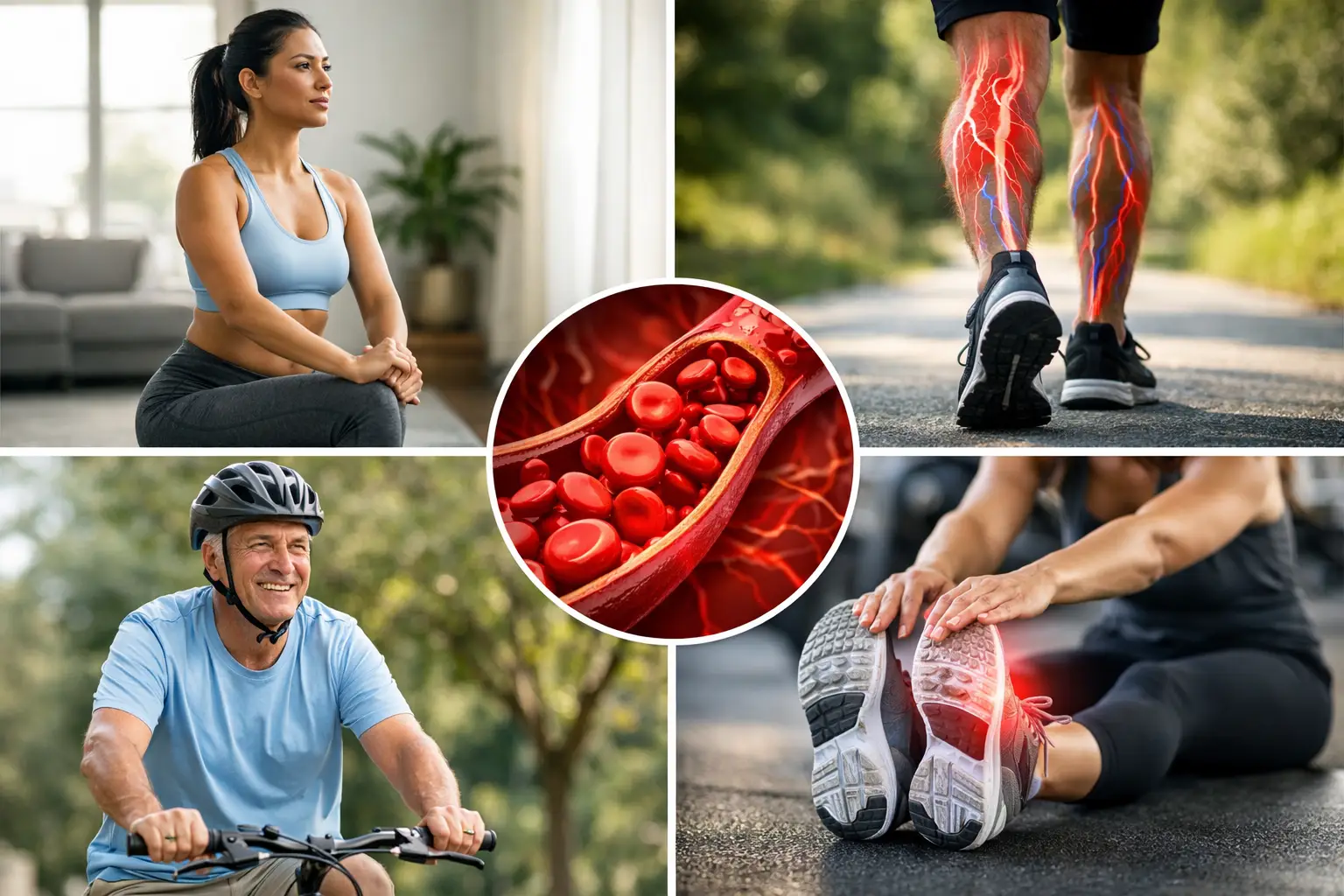
Walking is one of the most effective choices because it is low impact, beginner-friendly, and easy to repeat every day. A brisk 10 to 30 minute walk gets the calf muscles working, which helps move blood out of the legs and back up through the body.
If long walks feel tough, break them into shorter sessions. Even five minutes after meals or between work blocks can make a difference.
2. Calf raises
Calf raises are simple, but they directly target one of the body’s most useful circulation boosters. Stand tall, rise onto your toes, pause, and lower slowly. That repeated motion activates the calf muscles, which are sometimes called a second pump for blood flow in the lower body.
This is especially helpful for people who sit a lot or notice tired, achy legs at the end of the day.
3. Ankle circles and foot pumps
These small movements are great if you are stuck at a desk, traveling, or easing back into activity. Rotate your ankles in both directions, then flex and point your feet several times.
They may not feel like much, but they help wake up circulation in the feet and lower legs. For some people, these are the easiest exercises to stay consistent with because they can be done almost anywhere.
4. Cycling
Riding a bike or using a stationary bike supports blood flow while being gentle on the joints. It works the legs rhythmically, which encourages circulation without the pounding that comes with some higher-impact exercise.
Cycling can be a strong option if walking bothers your knees or if you want a longer cardio session that still feels manageable.
5. Swimming
Swimming and water aerobics are excellent for circulation because they combine full-body movement with the natural pressure of water. That can help support blood flow while also making exercise feel easier on the body.
It is a practical choice for beginners, older adults, or anyone carrying extra weight who wants a low-impact workout.
6. Yoga
Yoga improves circulation in a different way. Gentle poses, controlled breathing, and position changes can all encourage blood flow. Moves like downward dog, legs up the wall, and seated forward folds may help reduce stiffness and get you out of that stagnant, tight feeling.
Yoga also helps if stress is part of the problem. Chronic stress can affect blood pressure and overall wellness, so calming movement has value beyond flexibility.
7. Bodyweight squats
Squats use large muscle groups in the legs and hips, which can increase blood flow quickly. You do not need deep or advanced squats to get benefits. A basic chair squat is enough for many beginners.
If you are building a home fitness routine, pairing squats with a few other beginner moves from Beginner Strength Training at Home That Works can support both circulation and strength.
8. Dancing
Dancing is an underrated circulation booster because it keeps you moving without feeling like a chore. Any style works if it gets you on your feet and raises your heart rate a little.
This matters because the best exercise is often the one you will actually keep doing.
How often should you do these exercises?
Consistency matters more than perfection. For most people, some form of daily movement is better than waiting for the perfect workout. Walking, stretching, and short mobility breaks throughout the day can help offset long periods of sitting.
A good starting point is 20 to 30 minutes of movement most days, plus brief activity breaks every hour if you are sedentary. If your mornings feel rushed, adding a short walk or mobility routine to a Healthy Morning Routine for Energy That Lasts can make the habit easier to keep.
A few habits that make exercise work better
Exercise helps most when it is supported by other basics. Staying hydrated supports healthy blood volume, and avoiding too much uninterrupted sitting keeps circulation from slowing down again right after your workout. Comfortable clothing and shoes matter too, especially if tight items leave marks or make your legs feel compressed in the wrong places.
Food choices also play a role. A diet built around whole foods, fiber, and nutrient-dense meals supports heart and metabolic health, which affects circulation over time.
When to be careful
If you have varicose veins, diabetes, heart disease, or peripheral artery disease, exercise can still help, but your plan may need adjustments. High-impact activity is not always the best starting point. In those cases, lower-impact options like walking, cycling, or swimming are often safer and easier to maintain.
Start where your body is today, not where you think it should be. Better circulation usually comes from steady habits, and a few minutes of movement done every day can do more than a workout you only manage once in a while.