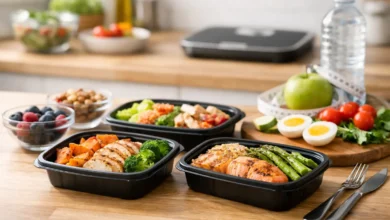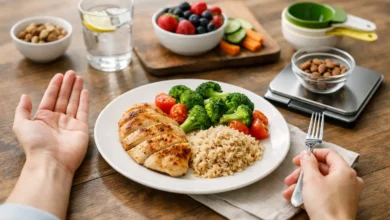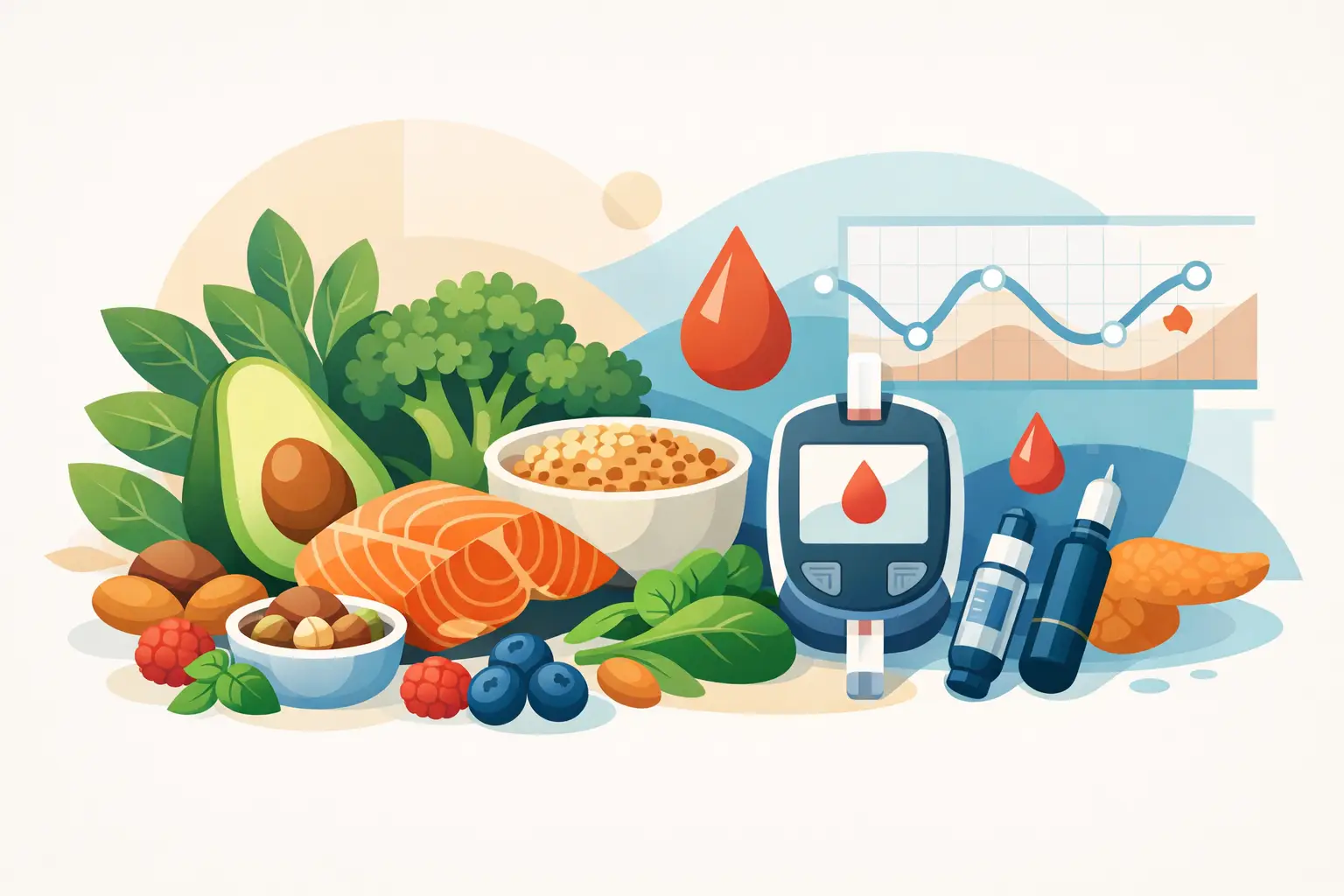
When your energy crashes an hour after breakfast or you feel hungry again right after eating, blood sugar swings may be part of the problem. The best foods for blood sugar are usually not trendy superfoods or expensive powders. They are everyday foods that digest more slowly, help you stay full longer, and make meals easier on your body.
If you are trying to eat better, lose weight, or support healthier glucose levels, the goal is not to fear carbs or chase perfection. It is to build meals that work with your body instead of against it. That starts with understanding which foods tend to support steadier blood sugar and why they help.
What makes the best foods for blood sugar?
Foods that support healthy blood sugar usually have one or more of three things: fiber, protein, or healthy fat. Fiber slows digestion. Protein helps you stay satisfied and can reduce the urge to snack on sugary foods later. Healthy fats also slow stomach emptying, which can make a meal feel more balanced.
That does not mean one food will magically fix blood sugar on its own. Portion size still matters. So does what you eat with it. A bowl of oats can work well, but oats loaded with brown sugar and syrup will hit differently than oats with chia seeds, cinnamon, and berries.
Another important point is that blood sugar response is personal. Some people do fine with bananas. Others notice a bigger spike. The smartest approach is to start with proven, high-quality foods and pay attention to how your body responds.
12 best foods for blood sugar
1. Beans and lentils
Beans and lentils are some of the most reliable foods for blood sugar support because they combine fiber, plant protein, and slow-digesting carbohydrates. Black beans, chickpeas, kidney beans, and lentils all fit the bill.
They are also budget-friendly and easy to use in soups, salads, grain bowls, and simple side dishes. If you want a carb source that tends to be more stable than white bread or crackers, beans are a strong choice.
2. Nonstarchy vegetables
Broccoli, spinach, cauliflower, zucchini, peppers, green beans, and Brussels sprouts give you volume, fiber, and nutrients without a heavy blood sugar load. These vegetables help fill your plate so meals feel satisfying without relying too much on refined carbs.
They also pair well with almost any protein. That makes them practical, which matters more than perfection. A food only helps if you will actually eat it consistently.
3. Eggs
Eggs are rich in protein and very low in carbohydrates, which makes them useful for a more stable breakfast or lunch. For many people, swapping a pastry or sugary cereal for eggs can lead to fewer cravings later in the day.
The main trade-off is what comes with them. Eggs with vegetables and avocado are very different from eggs served with biscuits, hash browns, and sweetened coffee. The full meal matters.
4. Greek yogurt
Plain Greek yogurt offers protein with fewer carbs than many flavored yogurts. That protein can help slow the effect of other foods in the meal, especially when paired with nuts or berries.
The biggest mistake here is buying yogurt that looks healthy but is packed with added sugar. If the flavor is already sweet, check the label. Plain yogurt gives you more control.
5. Berries
Berries are one of the better fruit choices for blood sugar because they provide fiber and tend to be lower in sugar than many tropical fruits. Strawberries, blueberries, raspberries, and blackberries can all fit into a blood sugar-friendly eating pattern.
This is a good reminder that fruit is not the enemy. Whole fruit behaves differently than juice, dried fruit, or fruit-flavored snacks. Fiber changes the picture.
6. Oats
Oats can be a smart breakfast for blood sugar, especially old-fashioned or steel-cut oats. They contain soluble fiber, which slows digestion and can help you feel full longer.
What you add matters a lot. A packet of instant flavored oatmeal may be much higher in sugar than a bowl of plain oats topped with walnuts and berries. Oats are a good base, not a free pass to pour on sweeteners.
7. Nuts and seeds
Almonds, walnuts, pistachios, chia seeds, flaxseeds, and pumpkin seeds bring healthy fat, fiber, and in many cases some protein. That makes them useful as a snack or as a way to balance a meal.
They are calorie-dense, so portion control matters if weight loss is one of your goals. Still, a small handful of nuts will usually support steadier energy better than chips or cookies.
8. Avocados
Avocados are low in sugar and high in fiber and healthy fat. They work well in meals where you want more staying power, like eggs in the morning or a grain bowl at lunch.
Some people avoid avocados because they are higher in fat, but fat is not the problem many assume it is. The bigger issue is total balance. Half an avocado with a balanced meal can be a smart move.
9. Fish
Salmon, sardines, tuna, trout, and other fish provide protein without adding carbohydrates. Fatty fish also offer omega-3 fats, which support overall heart health. That matters because blood sugar concerns and heart health often overlap.
Breaded fish or fish served with fries is obviously a different situation. The preparation can either help or hurt the result.
10. Tofu and tempeh
If you want a plant-based protein, tofu and tempeh are excellent choices. They are low in carbs, versatile, and easy to pair with vegetables for a steady, satisfying meal.
Tempeh has a firmer texture and a slightly nuttier taste, while tofu is milder and takes on the flavor of sauces and seasonings. Either one can work well if you are trying to cut back on processed meats.
11. Sweet potatoes
Sweet potatoes do contain carbs, but they also provide fiber and nutrients, and many people tolerate them better than highly refined starches. They are not a free-for-all food, but they can be part of a balanced plate.
A baked sweet potato with chicken and broccoli will usually support blood sugar better than a large serving of fries or white bread. The form of the carb matters just as much as the carb itself.
12. Whole grains in the right portions
Quinoa, brown rice, barley, and farro can work for blood sugar when portions stay reasonable and the meal includes protein and vegetables. Whole grains are generally a better option than refined grains because they digest more slowly.
That said, not everyone responds the same way. Some people do better with smaller grain portions and more beans or vegetables. This is one of those areas where it depends.
How to build meals that keep blood sugar steadier
Knowing the best foods for blood sugar is helpful, but meal structure is what turns good ingredients into real results. A simple way to think about it is to build your plate around protein first, add nonstarchy vegetables, and then include a smart carb.
For breakfast, that might mean eggs with spinach and a side of oats. For lunch, it could be grilled chicken over a salad with chickpeas. For dinner, salmon with roasted broccoli and a small serving of quinoa works well. These meals are not extreme. They are just better balanced.
Snacks matter too. A snack built around protein or fat tends to be more helpful than one built around sugar alone. Greek yogurt, nuts, cottage cheese, or apple slices with peanut butter are stronger choices than crackers, candy, or sweet coffee drinks.
Foods that often work against stable blood sugar
It is easier to make smart choices when you know what tends to cause trouble. Sugary drinks, white bread, pastries, candy, and many packaged snack foods digest quickly and can push blood sugar up fast. Even foods that seem healthy, like granola bars, flavored oatmeal, and fruit smoothies, can be surprisingly sugar-heavy.
That does not mean you can never eat them. It means they work better as occasional foods than daily staples. If you do have them, pairing them with protein or fat may help soften the impact.
A practical way to start this week
You do not need to overhaul your entire diet overnight. Start by changing one meal a day. If breakfast is usually cereal or a muffin, switch to eggs, Greek yogurt, or oatmeal with nuts. If lunch is mostly refined carbs, add more protein and vegetables first.
Small changes done consistently tend to beat big plans that are hard to maintain. That is how healthier eating becomes real life instead of another short-lived reset.
If you want better blood sugar support, focus less on finding one perfect food and more on repeating solid choices. Your body responds to patterns, and better patterns start with simple meals you can keep making even on busy days.