Skipping breakfast on Monday and then overeating by noon is not a fasting plan. If you want to learn how to start intermittent fasting, the goal is not to white-knuckle your way through hunger. The goal is to build a routine your body can handle and your life can actually support.
Intermittent fasting is less about what foods are “allowed” and more about when you eat. For many beginners, that structure feels simpler than tracking every calorie or following a complicated meal plan. It can help with weight management, reduce mindless snacking, and create more awareness around eating habits. But it is not magic, and it does not work well when you jump in too hard, too fast.
What intermittent fasting really means
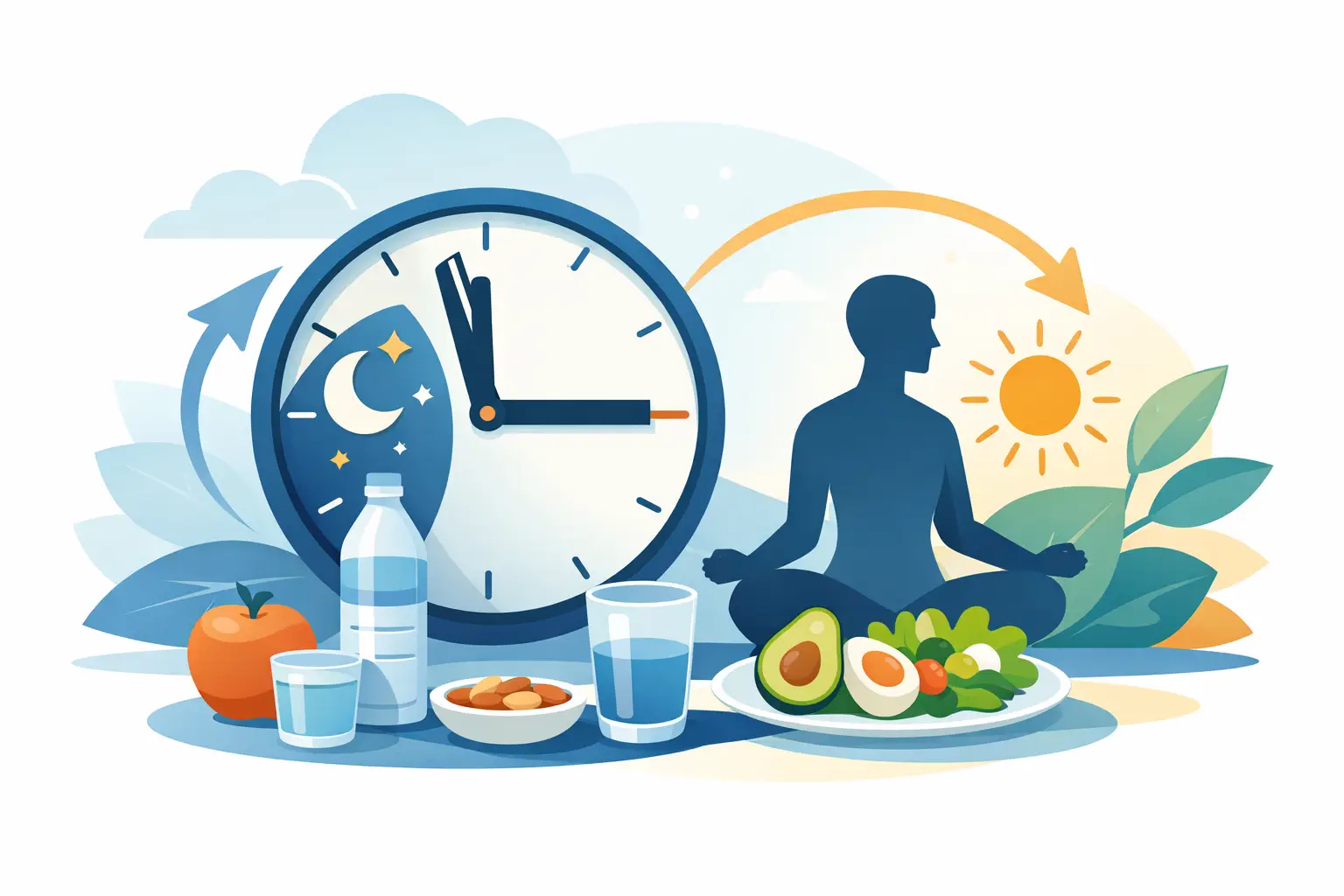
Intermittent fasting is an eating pattern that rotates between periods of eating and periods of not eating. During the fasting window, you generally avoid calories and stick to water, plain coffee, or unsweetened tea. During the eating window, you eat your meals as usual, ideally with a focus on balanced nutrition instead of treating the window like a free-for-all.
The most common beginner approach is the 16:8 method. That means fasting for 16 hours and eating during an 8-hour window, such as noon to 8 p.m. But that is not the only option, and it is not always the best place to start. Some people do better with a 12:12 or 14:10 schedule first, especially if they are used to late-night snacks or early breakfasts.
That is one of the biggest misunderstandings around fasting. You do not have to pick the strictest version to get benefits. A gentler start is often what helps people stay consistent.
How to start intermittent fasting without burning out
If you are wondering how to start intermittent fasting in a realistic way, begin by looking at your current routine. When do you usually eat your first meal? When do you stop eating at night? Many people are already fasting for 10 or 11 hours without realizing it. That gives you a starting point.
Instead of making a dramatic shift, extend your overnight fast by one or two hours. If you usually finish eating at 10 p.m. and eat breakfast at 7 a.m., try ending dinner by 9 p.m. and eating at 8 a.m. for a few days. Then, if that feels manageable, move toward a 12-hour fast. After that, you can test 13 or 14 hours.
This gradual approach matters because hunger is not only physical. It is also tied to habit, stress, sleep, and routine. If your body expects a snack every night at 9:30, you may feel “hungry” then even if you ate enough at dinner. Give your body time to adjust.
Pick a schedule that matches your life
The best fasting schedule is the one you can repeat without feeling miserable. A few common options work well for beginners.
A 12:12 schedule is the easiest place to start. You eat within a 12-hour window and fast for the other 12 hours. This can be as simple as eating between 7 a.m. and 7 p.m. It helps cut down on late-night eating without feeling extreme.
A 14:10 schedule gives you a little more structure. For example, you might eat from 9 a.m. to 7 p.m. or from 10 a.m. to 8 p.m. Many people find this is enough to notice benefits without the intensity of longer fasts.
A 16:8 schedule is popular because it feels structured but still flexible. You might skip breakfast and eat lunch and dinner, or eat an early breakfast and stop earlier in the evening. The exact timing is less important than consistency.
If you work early shifts, have family meals at set times, or take medications with food, your ideal fasting window may look different from someone else’s. That is not failure. That is smart planning.
What to eat when you are not fasting
Intermittent fasting works better when your meals actually support you. If your eating window is full of sugary drinks, takeout, and random snacks, you may end up feeling hungrier, more tired, and more likely to quit.
Try to build meals around protein, fiber, healthy fats, and minimally processed carbs. Eggs, Greek yogurt, chicken, fish, beans, oats, fruit, vegetables, rice, potatoes, nuts, and olive oil can all fit well into a fasting routine. A balanced meal helps you stay full longer and keeps your energy steadier between meals.
It also helps to avoid turning your first meal into a reward binge. If you break your fast with pastries and sweet coffee one day and fast food the next, you may get a quick burst of energy followed by a crash. A better first meal might be eggs with toast and fruit, yogurt with berries and nuts, or a rice bowl with chicken and vegetables.
You do not need a perfect diet to start. You just need meals that make the fasting window easier, not harder.
What you can drink during a fast
Water should be your main drink during fasting hours. Plain coffee and unsweetened tea are also commonly used and can make fasting more manageable for some people. Just be careful with add-ins. Sugar, creamers, syrups, and calorie-heavy coffee drinks can break the fast and make results less predictable.
Hydration matters more than many beginners realize. Sometimes what feels like hunger is really thirst, especially in the morning. Drinking water regularly can help with headaches, energy, and appetite control.
If you are exercising, sweating heavily, or fasting in hot weather, pay attention to electrolytes as well. Not everyone needs supplements, but dehydration can make fasting feel much harder than it needs to.
Common side effects in the first week
A rough first few days do not always mean fasting is wrong for you. Sometimes it means your body is adjusting. Mild hunger, irritability, low energy, or headaches can happen early on, especially if your old routine included frequent snacking or high sugar intake.
That said, there is a difference between adjustment and a plan that is not working. If you feel shaky, dizzy, unable to focus, or overly preoccupied with food, your fasting window may be too aggressive. The answer is not always to “push through.” Sometimes the better move is shortening the fast, improving meal quality, or making sure you are sleeping enough.
Sleep is an overlooked part of fasting success. Poor sleep can increase hunger hormones, reduce self-control, and make a fasting schedule feel far more difficult. If you are staying up late and trying to skip breakfast, you may be fighting your body from both sides.
Who should be careful with intermittent fasting
Intermittent fasting is not right for everyone. If you are pregnant, breastfeeding, underweight, have a history of disordered eating, or take medications that affect blood sugar, talk with a qualified healthcare professional before starting. The same goes if you have diabetes or any medical condition that makes meal timing more complicated.
Even for generally healthy adults, fasting is a tool, not a requirement. Some people feel great with it. Others do better with regular meals and portion awareness. A plan that improves your energy, mood, and consistency is more useful than one that looks impressive on paper.
How to know if it is working
Results are not only about the scale. Yes, some people use intermittent fasting to support weight loss, but progress can also show up as fewer late-night cravings, more control around snacks, a steadier eating routine, or less mindless grazing.
Give yourself at least two to four weeks of consistency before judging it too quickly. Watch how you feel, not just what you weigh. Are you able to stay on track without obsessing over food? Do you have decent energy? Are your meals improving? Those are strong signs that the habit is becoming sustainable.
If your schedule keeps leading to overeating, constant fatigue, or a bad mood, adjust it. A shorter fasting window that you can maintain will usually beat a stricter one that collapses after five days.
A simple beginner plan to follow
Start with 12 hours of fasting overnight for one week. For example, finish dinner by 7:30 p.m. and eat breakfast at 7:30 a.m. In week two, extend that to 13 or 14 hours if it feels comfortable. Keep your meals balanced, drink plenty of water, and stop eating late at night. If that goes well, you can decide whether a 14:10 or 16:8 routine fits your goals and your lifestyle.
There is no prize for suffering through a fasting plan that does not fit your real life. The best results usually come from small changes you can repeat on busy weekdays, weekends, and stressful seasons too.
Healthy habits tend to stick when they feel clear, doable, and worth the effort. Start there, keep it simple, and let consistency do the heavy lifting.